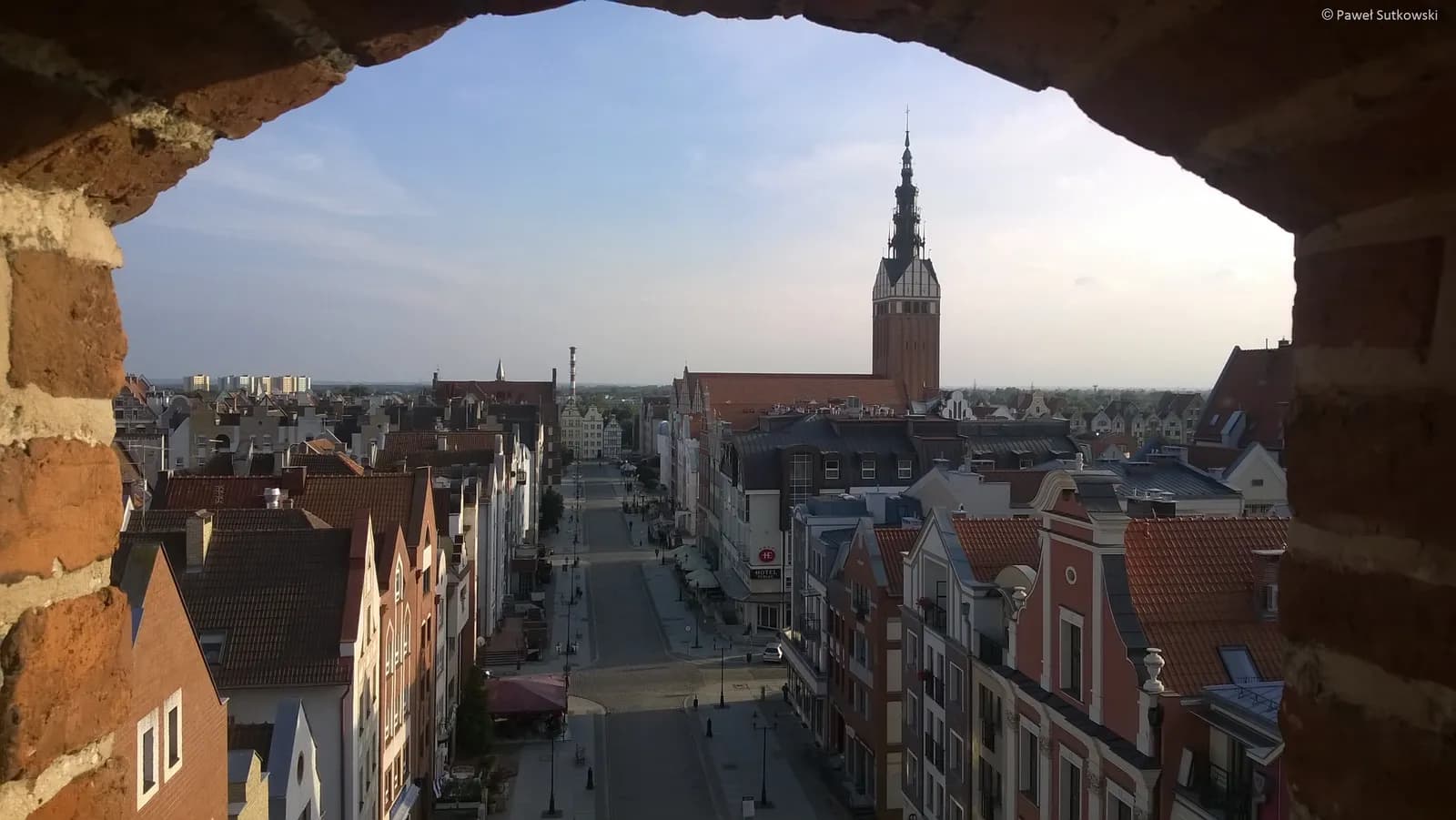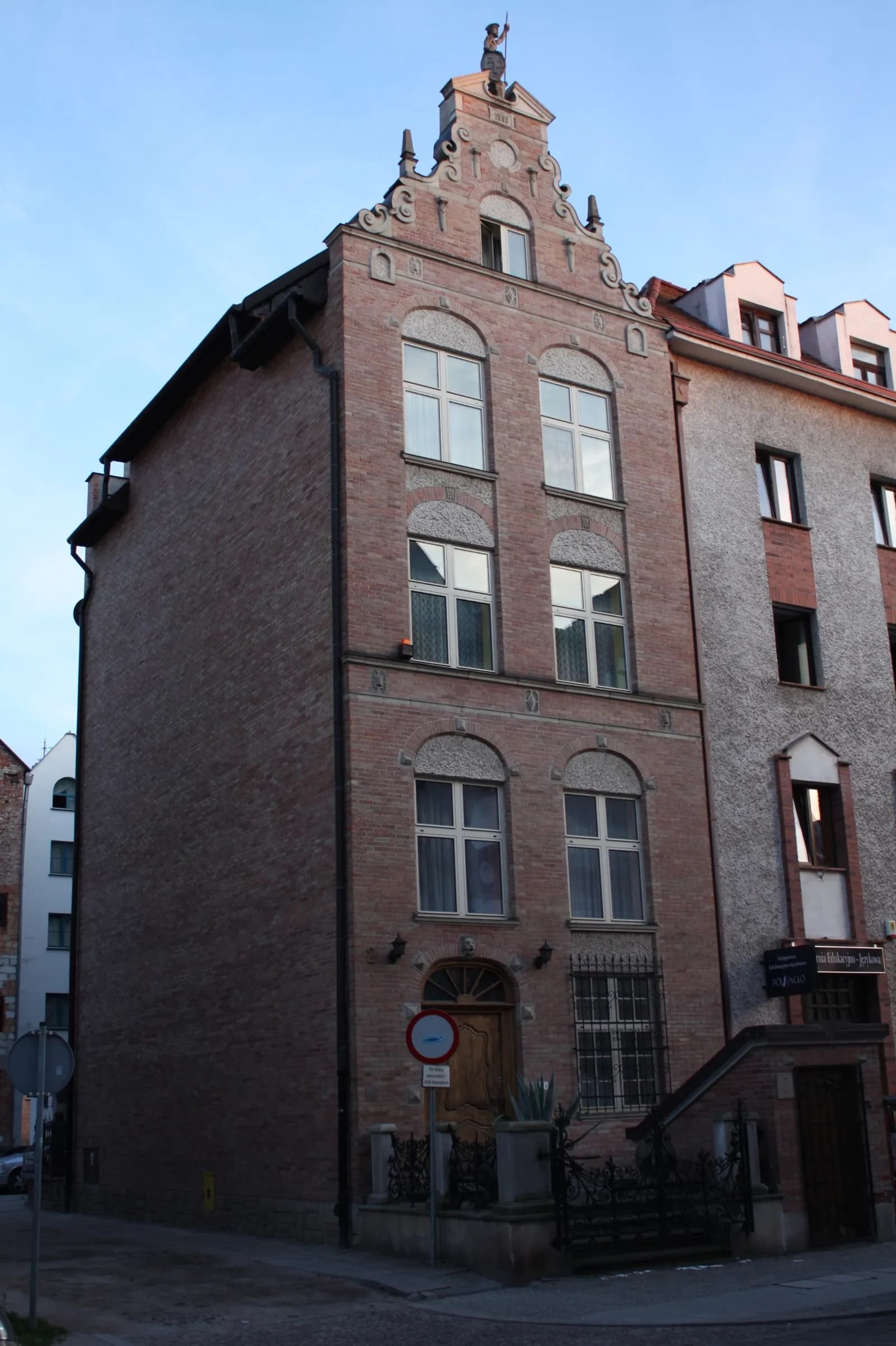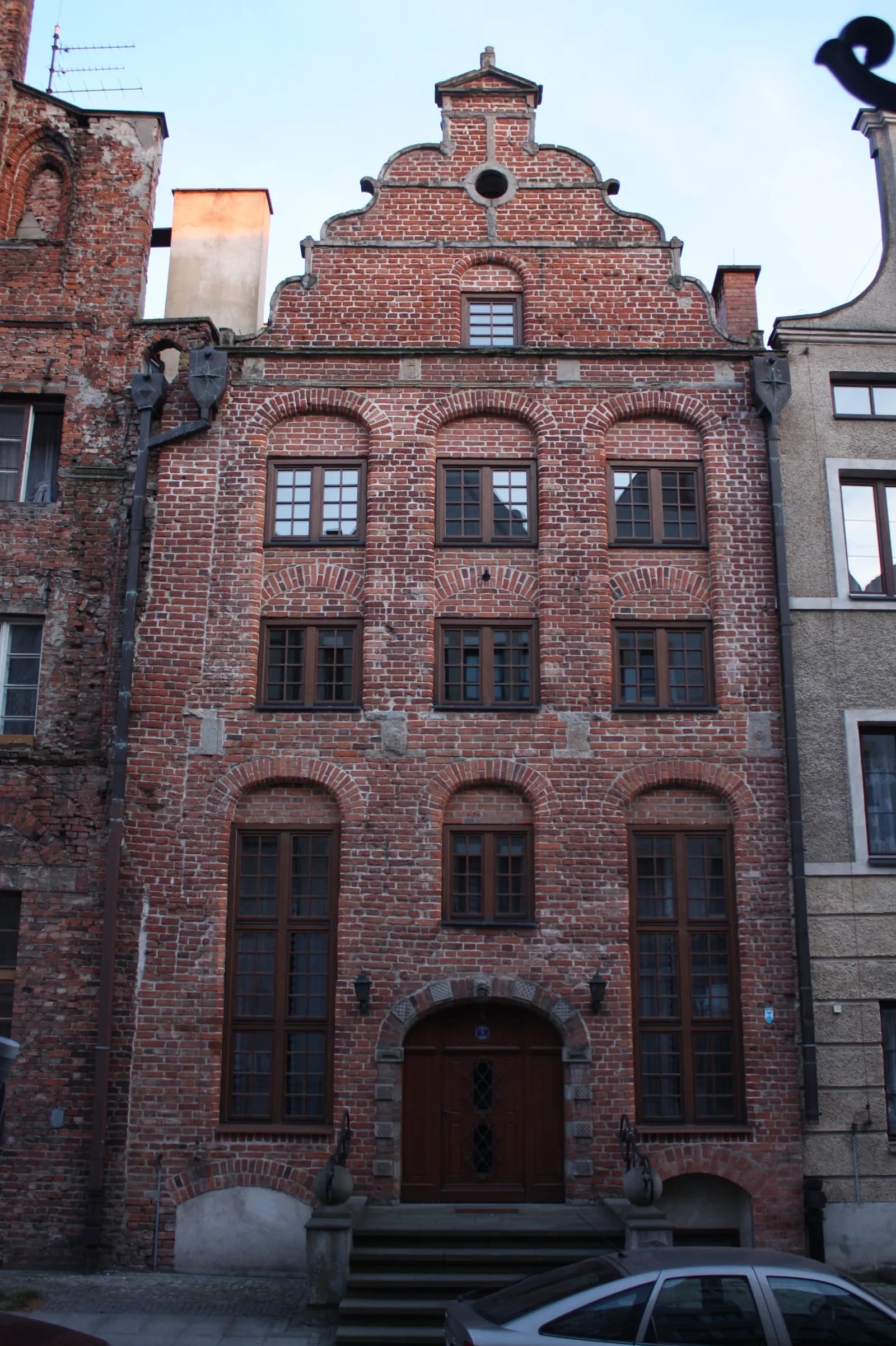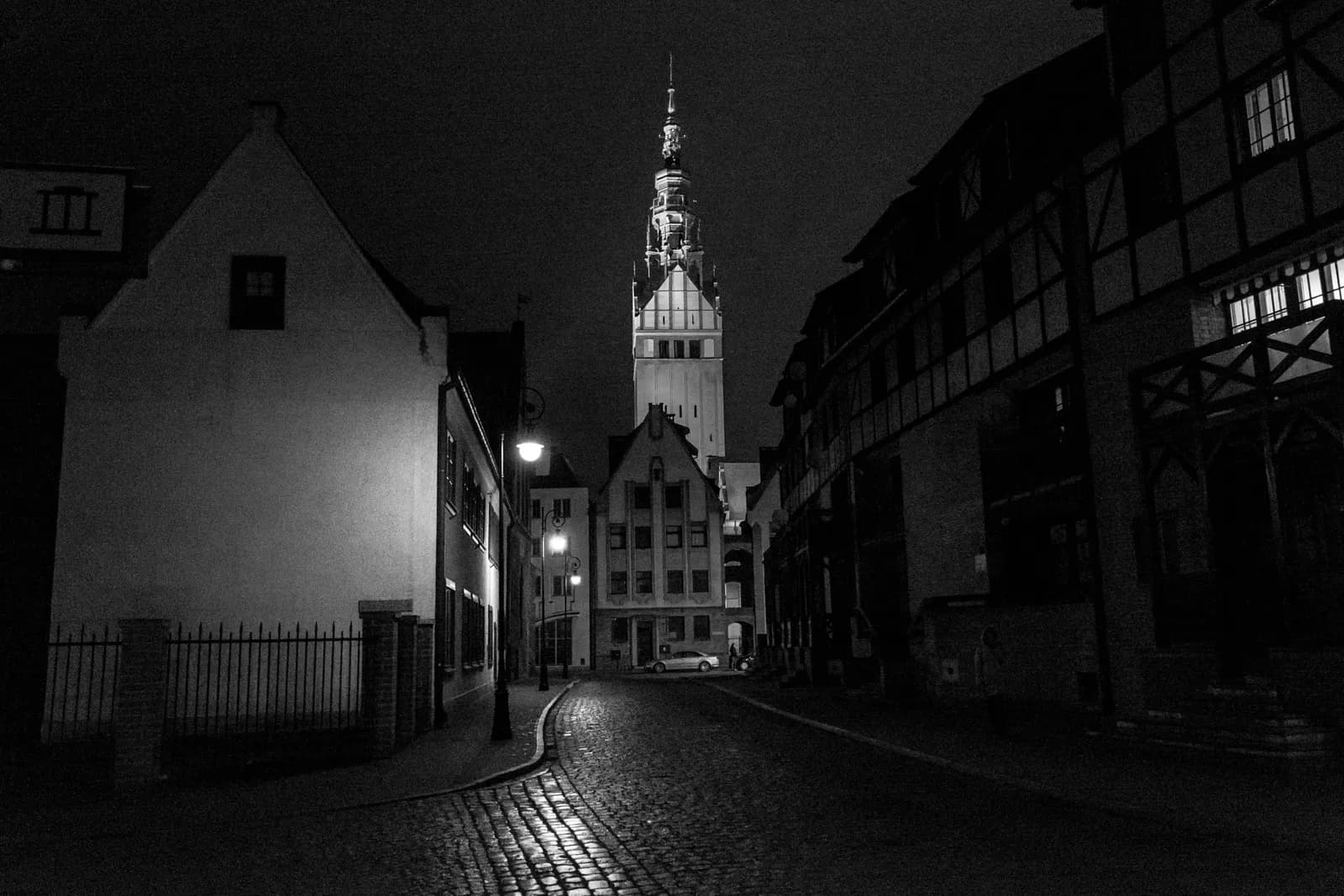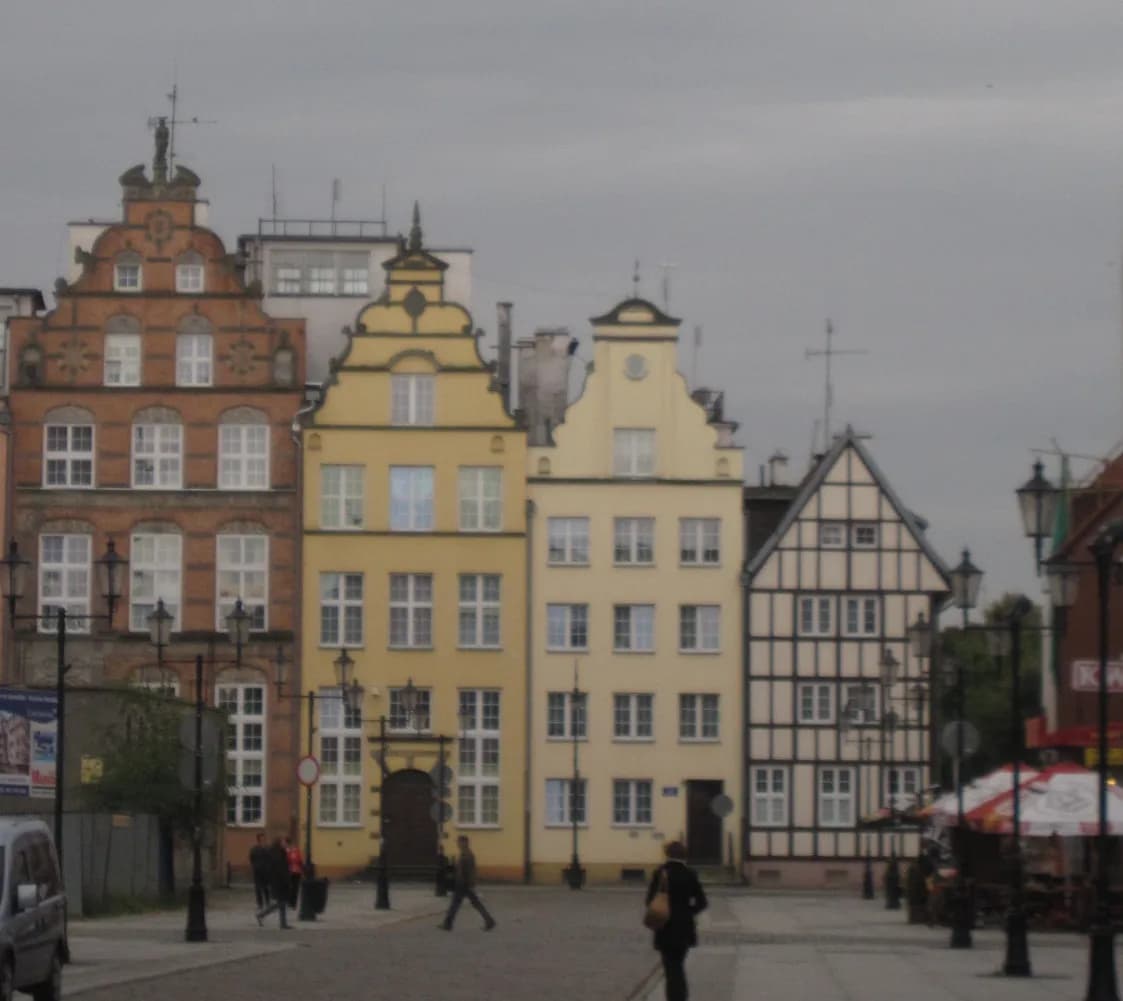
Elbląg is easy to underestimate if you only pass through its Old Town, take a few photographs and move on. Look a little closer, however, and the city reveals a more complicated character.
There are medieval remnants tucked between reconstructed buildings, a contemporary art centre inside the ruins of a former church, a historic waterfront shaped by Elbląg's trading past, and a 369-hectare forest park where the landscape begins to feel surprisingly hilly.
These places are not necessarily the first stops on a conventional sightseeing itinerary. They are, however, useful for understanding Elbląg as a living city rather than simply a collection of attractions.
Here are four places worth seeking out.
Ścieżka Kościelna: one of Elbląg's rare medieval survivors
Few places in Elbląg give such a strong impression of the city's medieval layout as Ścieżka Kościelna, or the Church Path.
The narrow passage runs between buildings in the Old Town and is one of the relatively few surviving elements of historic medieval Elbląg. Its origins go back to the development of the medieval city, when it provided a short route between several important religious buildings.
The original path was considerably longer than the section visitors see today. It connected the church and hospital of St Nicholas, the church of St Nicholas and the Dominican church and monastery of the Blessed Virgin Mary, now associated with Galeria EL. Historical sources also record that the route was used by worshippers and clergy.
There is a darker side to its history, too. The path was once known as Droga Ciał, or the Road of Bodies, reflecting its use in connection with funerals and burials.
Much of the historic passage disappeared during the destruction of Elbląg in the final stages of the Second World War. The surviving section was conserved and opened to visitors in 2006. Among its most striking features are the Gothic arches spanning the passage.
Today, Ścieżka Kościelna is small enough to miss if you are not looking for it. That is precisely what makes it interesting. Rather than functioning as a grand monument, it gives a glimpse of how people moved through the medieval city.
Worth noticing: the scale of the passage. Its narrowness makes it much easier to imagine the densely built medieval town than when standing in the more open spaces of today's Old Town.
Galeria EL: where Elbląg's industrial and artistic histories meet
A short walk away, Galeria EL offers another unexpected connection between Elbląg's past and present.
The gallery occupies the surviving parts of the former Dominican church of the Blessed Virgin Mary. The building was badly damaged during the war, but its ruins acquired a completely different role in the 1960s.
In 1961, artist Gerard Kwiatkowski, who was working at the Zamech engineering plant, approached the city authorities about using the ruins as an art studio. After clearing and repairing the building, the studio developed into a gallery of contemporary art. The first exhibition was held in July 1961.
That history matters because Galeria EL was not simply an art gallery placed inside an old building. It became closely connected with Elbląg's industrial character.
From 1965, the city hosted the Biennale Form Przestrzennych, bringing artists into contact with engineers and workers from Zamech. The idea was unusually direct: contemporary artists could work with the technical possibilities of a major industrial plant, with workers and engineers involved in the creation of the resulting forms. Five editions took place between 1965 and 1973.
The legacy can still be seen around Elbląg. A number of the city's outdoor spatial forms came from this period, helping to make public sculpture part of the urban landscape rather than something confined to a museum.
That makes Galeria EL worth visiting even for people who would not normally put a contemporary art centre high on their list. The building tells one story, the exhibitions another, while the surrounding streets contain traces of an artistic movement that deliberately moved beyond gallery walls.
Wyspa Spichrzów: Elbląg's trading past beside the river
The River Elbląg is easy to overlook when exploring the Old Town, but it is central to understanding why the city developed where it did.
Across the river lies Wyspa Spichrzów, an area whose history is closely connected with Elbląg's role as a trading and port city. Warehouses and other commercial buildings once occupied the area, with the river providing the infrastructure for moving goods in and out of the city. Historical accounts describe the island as one of the important routes and working areas associated with Elbląg's port.
The area has gone through considerable change. Much of the historic fabric was lost, while later redevelopment has gradually brought new uses to the waterfront.
There is also a particularly interesting chapter still being written. In August 2025, the city announced the redevelopment of the western riverbank along Wyspa Spichrzów. The project includes strengthening and arranging the waterfront and creating additional mooring spaces. The city said the works are scheduled for completion in November 2026.
That means visitors in 2026 will encounter an area in transition rather than a finished historic district.
The significance of Wyspa Spichrzów goes beyond tourism. The waterfront is part of a much longer story about the relationship between the city and its river, from medieval trade and storage to today's efforts to make the riverside more accessible and useful again.
It is also a good place to slow down after exploring the tighter streets of the Old Town. The water opens up the view, while the bridges and surviving historic references provide reminders of the working city that once stood here.
Worth noticing: look at Elbląg from the river rather than only towards it. The relationship between the Old Town, bridges and waterfront is much easier to understand from this angle.
Bażantarnia: the forest that makes Elbląg feel bigger
Then there is Bażantarnia, which changes the scale of the city altogether.
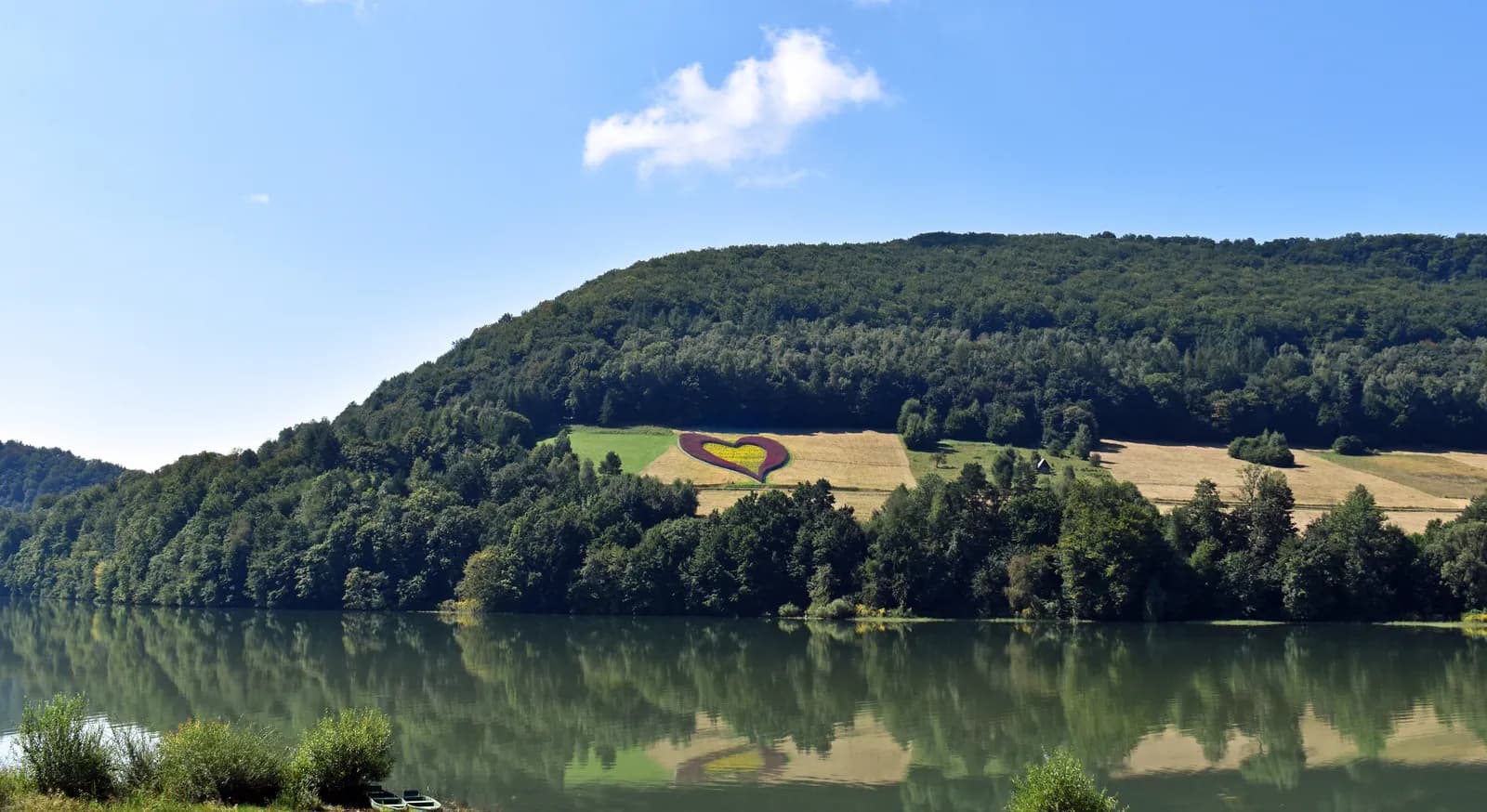
The 369-hectare forest park lies on the edge of the Wysoczyzna Elbląska and is one of Elbląg's most important recreational areas. Unlike a conventional urban park, Bażantarnia has steep slopes, wooded ravines, streams and valleys. The landscape is shaped by the edge of the upland, giving some sections a distinctly more rugged character than might be expected so close to the city.
The difference becomes particularly noticeable around the Srebrny Potok valley, where paths lead through woodland and along the stream. One of the better-known curiosities is the Diabelski Kamień, a large stone associated with a local legend about the Devil dropping it while crossing the area. The tourist information service also highlights the area's wildlife, including deer, wild boar, foxes and numerous bird species.
Bażantarnia also has a substantial walking and cycling network. Four marked tourist routes within the park and its surroundings have a combined length of around 30.5 kilometres. The red Kopernikowski Trail also passes through the area.
Its history is equally interesting. The area was known in the German period as Vogelsang, meaning "Birdsong", and gradually developed as a recreational landscape. The historic inn built by August Abbeg in the early nineteenth century remains part of the area today.
For people living in Elbląg, this proximity to the forest is one of the city's most distinctive characteristics. A visitor can spend the morning among Gothic architecture and riverside streets and be walking through woodland ravines later the same day.
A different way to explore Elbląg
Taken together, these four places explain something important about Elbląg.
The city is not defined by one period of history. Medieval streets sit alongside post-war reconstruction. Industrial heritage overlaps with experimental contemporary art. The river recalls Elbląg's trading past, while Bażantarnia brings the landscape of the Wysoczyzna Elbląska almost into the city itself.
That combination is particularly useful for visitors who have already seen the obvious sights. Instead of trying to fit Elbląg into a conventional checklist, these places encourage a slower route through the city.
Elbląg's quieter places are not really hidden. They are simply easier to appreciate when you stop looking for a single headline attraction and start paying attention to how the city fits together.
See more: Jantar Mini Zoo: A Story That Began With Animal Therapy
Sources: elblag.eu, zabytek.pl