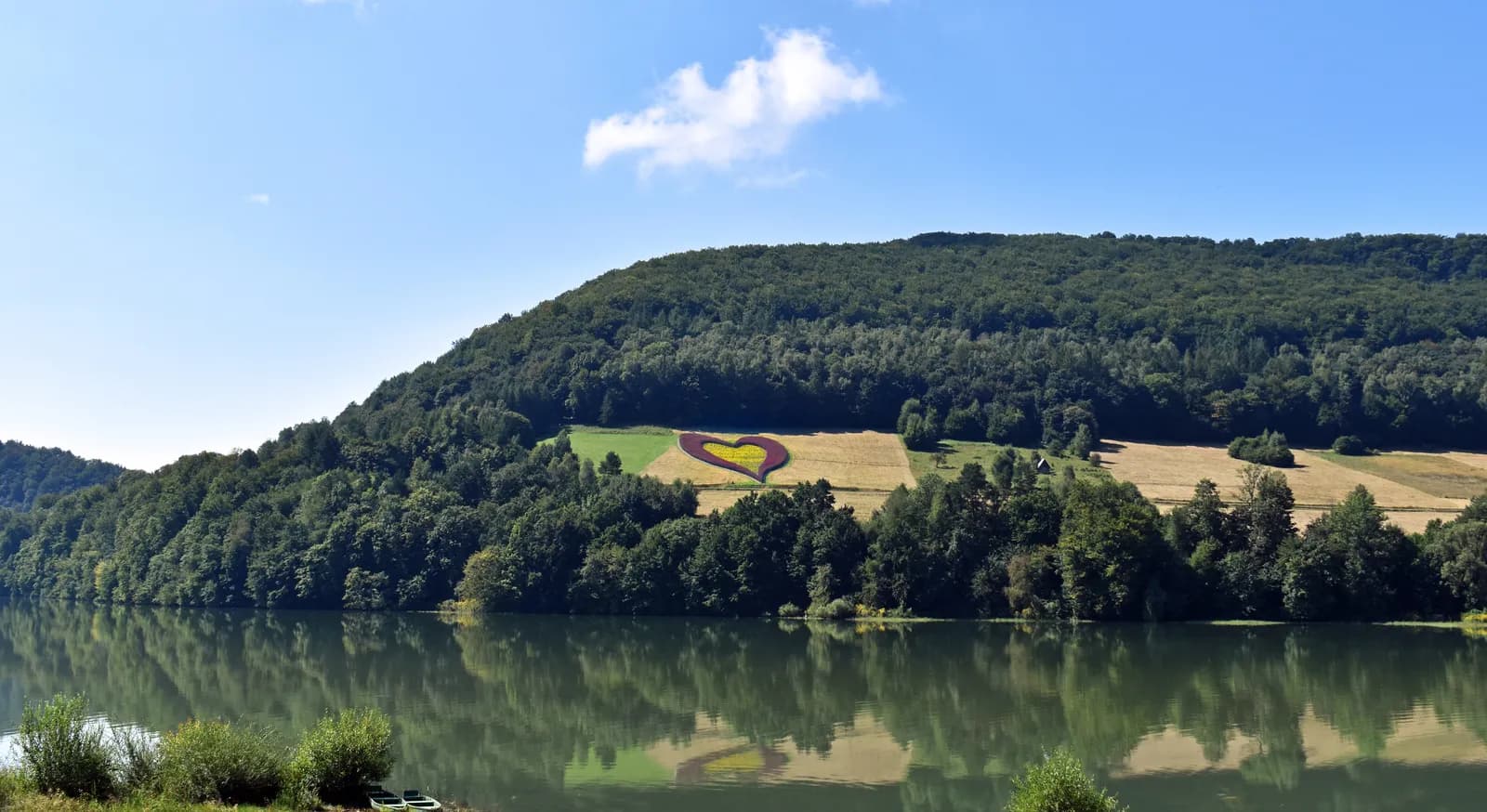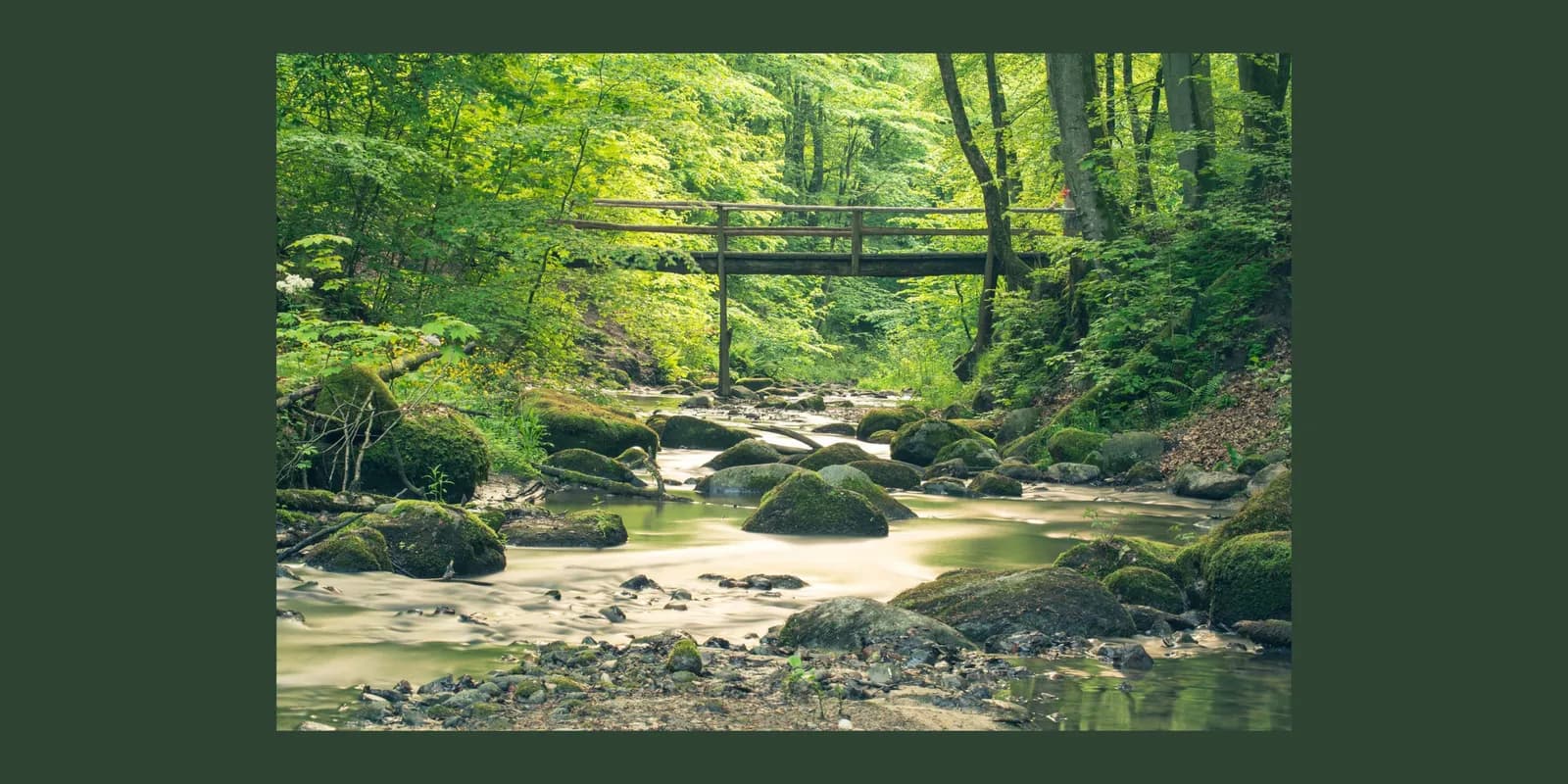
There are few places in Elbląg where the change from city streets to wild woodland happens so quickly. A short journey from the centre brings you to Bażantarnia, where paved roads give way to forest paths, the sound of traffic fades and the landscape begins to rise into the wooded hills of the Wysoczyzna Elbląska.
For many residents, Bażantarnia is part of everyday life. It is where generations of Elbląg families have gone for Sunday walks, where runners follow familiar trails through the trees and where visitors discover that this part of northern Poland is far from the flat landscape they may have expected.
The forest park combines history, nature and recreation in a way that feels closely connected to the character of the city itself. It is both a local meeting place and an introduction to one of the region’s most unusual landscapes.
Where the Lowlands Meet the Hills
Elbląg sits at the meeting point of two very different landscapes. To the west and south stretch the open fields and waterways of Żuławy Wiślane, a low-lying area shaped by rivers, canals and centuries of human settlement. To the east rises the Wysoczyzna Elbląska, a landscape of hills, forests and deep valleys.
The contrast is one of the defining features of the area. Within a short distance, the flat surroundings of the city develop into woodland paths that wind through slopes and ravines.
The Park Krajobrazowy Wysoczyzny Elbląskiej was created in 1985 to protect this distinctive environment. Covering more than 13,000 hectares, it extends towards Tolkmicko and the shores of the Zalew Wiślany (Vistula Lagoon), protecting forests, streams and landscapes shaped over thousands of years.
The area’s most striking feature is its terrain. Water flowing through the upland has carved deep valleys into the hillsides, creating narrow ravines surrounded by mature woodland. For visitors arriving from the flatlands around Elbląg, the scenery can feel surprisingly dramatic.
A Forest Park with Two Centuries of History
Bażantarnia’s story as a place for leisure reaches back to the early 19th century. Developed as a recreational area in 1811, the park became a favourite destination for walks, gatherings and outdoor activities.
Its name comes from the former pheasantry that once existed here, but the character of Bażantarnia has always been shaped by the forest around it. The landscaped park areas gradually blend into more natural woodland, where paths follow streams and climb through the surrounding valleys.
Today, the area remains one of Elbląg’s most recognisable green spaces. Ask the locals where they go for a walk, and Bażantarnia is likely to be one of the first answers.
It is a place connected with memories: childhood walks, autumn trips to collect leaves, summer evenings outdoors and quiet moments away from the busy parts of the city.
Walking Through the Wysoczyzna Elbląska
The appeal of Bażantarnia lies in its variety. One can enjoy a gentle walk near the main park areas or continue deeper into the forest, where the paths become quieter and the landscape becomes more rugged.
The routes pass beneath tall beech trees, alongside streams and through sections where the slopes of the upland reveal the geological character of the region. The changing elevation gives even a short walk a sense of discovery.
One of the best-known routes is the blue circular trail, which goes through the wider Bażantarnia area. Longer routes connect with the wider network of trails across the Wysoczyzna Elbląska, making the park a natural starting point for exploring beyond the city.
The forest is particularly rewarding in autumn, when the beech trees create a canopy of gold and orange. In spring, the woodland floor comes alive with fresh greenery, while winter brings a quieter atmosphere that many regular visitors appreciate.
Nature on Elbląg’s Doorstep
Bażantarnia offers something unusual: a large natural landscape within easy reach of an urban area.
The forests provide habitats for many species, including woodland birds and mammals such as deer. The combination of mature trees, streams and shaded valleys creates conditions for a wide variety of plants and animals.
For schools and families, the park is also an outdoor classroom. A walk through Bażantarnia can reveal how forests change with the seasons, how water shapes landscapes and why protecting natural areas close to cities is important.
Music Among the Trees
Bażantarnia has long been associated not only with walking but also with culture. The park’s concert shell has hosted outdoor performances for many years, including the Letni Salon Muzyczny Bażantarnia summer concert series.
The setting gives these events a distinctive atmosphere. Music performed among the trees creates a different experience from a traditional concert venue, bringing together nature, culture and community.
Throughout the year, the park also provides space for educational events, guided walks and activities that encourage residents to explore the natural heritage around them.
Planning a Visit?
Bażantarnia is a place that can be visited in every season. A short walk is enough to appreciate its atmosphere, while longer routes allow visitors to experience more of the Wysoczyzna Elbląska landscape.
Comfortable footwear is recommended, especially after wet weather, as some paths follow natural forest terrain. Those planning longer walks should allow extra time to explore the quieter sections away from the main entrances.
The park is easily accessible from Elbląg and makes an ideal addition to a city break, family outing or weekend walk.
See more: Archaeological and Historical Museum in Elbląg: From Truso to Medieval Elbląg
image credit: Piotr Gliński, CC BY-SA 3.0